

Introduction
Learning computers has become an essential skill in today’s digital world. Whether you are a student, job seeker, or business owner, understanding computers can make your life easier and more productive. The best way to learn computer basics is not about rushing into advanced topics but building a strong foundation step by step. Many beginners feel confused when they first start because they don’t know where to begin or what to practice. However, with the right approach, anyone can master the basics of computers without difficulty.
In this guides, you will learn a simple and practical method to understand computer fundamentals. We will cover everything from basic concepts to practical learning techniques that help you gain confidence. The goal is to make learning smooth, easy, and effective. By following the best way to learn computer basics, you will gradually improve your skills and understand how computers actually work in real life situations.
Instead of memorizing complex theories, you will focus on practical learning, real examples, and step-by-step guidance. This article is designed for beginners and intermediate learners who want to improve their computer knowledge in a structured way.
What is Best Way to Learn Computer Basics?
The best way to learn computer basics refers to a structured learning approach that helps beginners understand fundamental computer concepts in a simple and practical manner. It includes learning hardware, software, operating systems, typing skills, and basic troubleshooting.
Instead of jumping directly into advanced programming or technical skills, this method focuses on building a strong foundation. You start with understanding what a computer is, how it works, and how different parts function together. Then you move step by step into practical usage like file management, internet browsing, and basic software usage.
This learning method also involves practice-based learning. For example, instead of just reading about MS Word, you actually open it and practice typing documents. This hands-on approach is the core of the best way to learn computer basics.
By following this method, learners can avoid confusion and build confidence gradually. It ensures that you not only understand concepts but also know how to apply them in real life.
Why is Best Way to Learn Computer Basics Important?
Understanding the importance of learning computer basics is the first step toward becoming digitally skilled. Computers are used in almost every field today, from education to business and communication. Without basic computer knowledge, it becomes difficult to perform daily tasks efficiently.
The best way to learn computer basics is important because it helps you build confidence and reduces dependency on others for simple tasks. It also improves your job opportunities since most companies require basic computer skills.
Another important reason is productivity. When you know how to use computers properly, you can complete tasks faster and more accurately. It also helps in online learning, freelancing, and remote jobs.
Detailed Step-by-Step Guide
Step 1: Understand Computer Hardware
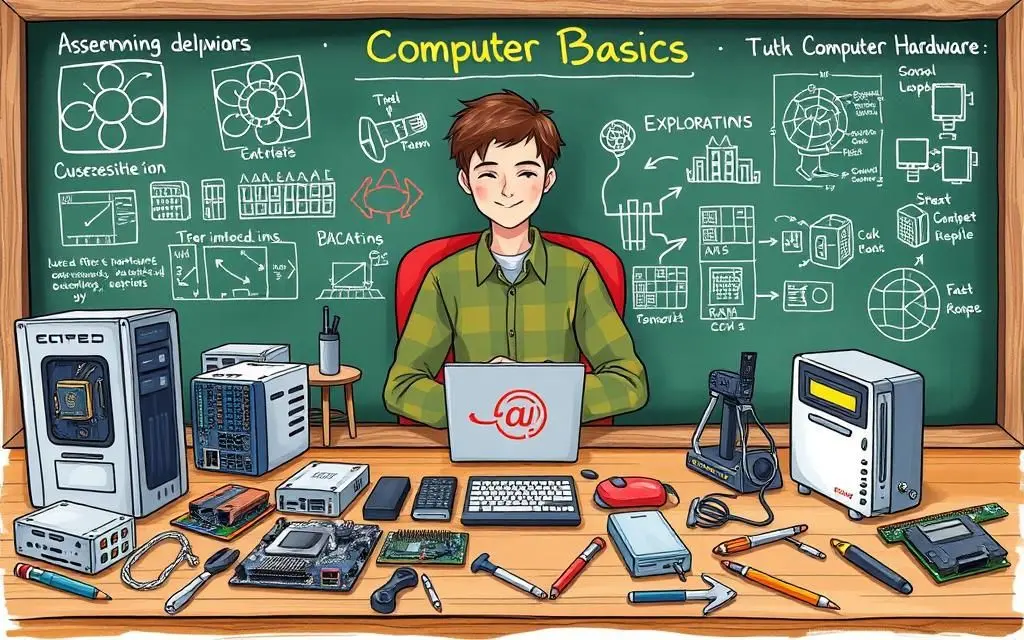
The first step in the best way to learn computer basics is understanding hardware. Hardware refers to the physical parts of a computer like monitor, keyboard, mouse, CPU, and printer.
Learn what each part does and how it works together. For example, the CPU is the brain of the computer, while the keyboard is used for input.
Step 2: Learn Software Basics
Software is the set of instructions that runs on a computer. There are two main types: system software and application software.
System software includes operating systems like Windows, while application software includes tools like MS Word, Excel, and browsers.
Understanding software is a key part of the best way to learn computer basics because it helps you interact with the system properly.
Step 3: Practice Operating System Usage
Start using an operating system like Windows. Learn how to open programs, create folders, and manage files.
Practice basic tasks like copying, pasting, renaming, and deleting files. This hands-on practice is very important for beginners.
Step 4: Learn Typing Skills
Typing is a fundamental skill in computer usage. Use typing tools or software to improve your speed and accuracy.
Good typing skills save time and increase productivity in almost every computer-related task.
Step 5: Use Basic Applications
Start using simple applications like MS Word, Excel, and PowerPoint. These tools are widely used in offices and schools.
Practice writing documents, making tables, and creating presentations.
Step 6: Learn Internet Basics
The internet is an essential part of computers. Learn how to browse websites, use search engines, and send emails.
Also understand online safety and how to avoid scams or harmful websites.
Step 7: Practice Daily
Consistency is the key to mastering the best way to learn computer basics. Practice daily for at least 30–60 minutes.
Benefits of Best Way to Learn Computer Basics
- Improves job opportunities in different fields
- Increases productivity and efficiency
- Helps in online education and freelancing
- Builds confidence in using digital tools
- Makes communication easier through email and apps
- Enhances problem-solving skills
- Reduces dependency on others for computer tasks
Disadvantages / Risks
- Initial learning may feel slow or confusing
- Requires regular practice and time commitment
- Overuse of computers may affect health if not managed
- Risk of online scams if internet safety is ignored
- Beginners may feel overwhelmed without proper guidance
Common Mistakes to Avoid
Many beginners make mistakes when learning computers. One common mistake is trying to learn advanced topics too early. This creates confusion and slows down progress.
Another mistake is not practicing enough. Reading alone is not enough; practical work is necessary.
Some learners also ignore typing practice, which later slows down their overall performance.
Avoid multitasking too many topics at once. Focus on one skill at a time for better understanding.
FAQs
1. What is the best way to learn computer basics for beginners?
The best way to learn computer basics is to start with hardware and software understanding, followed by hands-on practice using operating systems and basic applications.
2. How long does it take to learn computer basics?
It usually takes a few weeks to a couple of months depending on practice and consistency. Daily practice speeds up learning.
3. Do I need a computer to learn basics?
Yes, having a computer or laptop helps in practicing and understanding concepts better.
4. Can I learn computer basics online?
Yes, many free and paid resources are available online that teach computer basics step by step.
5. Is computer learning difficult for beginners?
No, it is not difficult if you follow a structured approach and practice regularly.
6. What should I learn first in computers?
Start with basic hardware and software concepts, then move to typing, file management, and internet usage.
Expert Tips & Bonus Points
Experts recommend focusing on practical learning instead of theory. The best way to learn computer basics is to practice daily tasks like creating documents, browsing the internet, and organizing files.
Try to learn keyboard shortcuts as they save a lot of time.
Join beginner-friendly computer courses if possible for structured learning.
Stay consistent and avoid long breaks during learning.
Always explore new features of software to improve your understanding.
Conclusion
Learning computers is one of the most valuable skills in today’s digital era. The best way to learn computer basics is to start from the fundamentals and move step by step with consistent practice. Instead of rushing into advanced topics, focus on building a strong foundation.
When you understand hardware, software, operating systems, and basic application, you gain confidence in using computers effectively. This knowledge not only helps in education and jobs but also improves your daily life productivity.
By following the structured approach explained in this guide, anyone can learn computer basics easily. The key is regular practice, patience, and curiosity.
